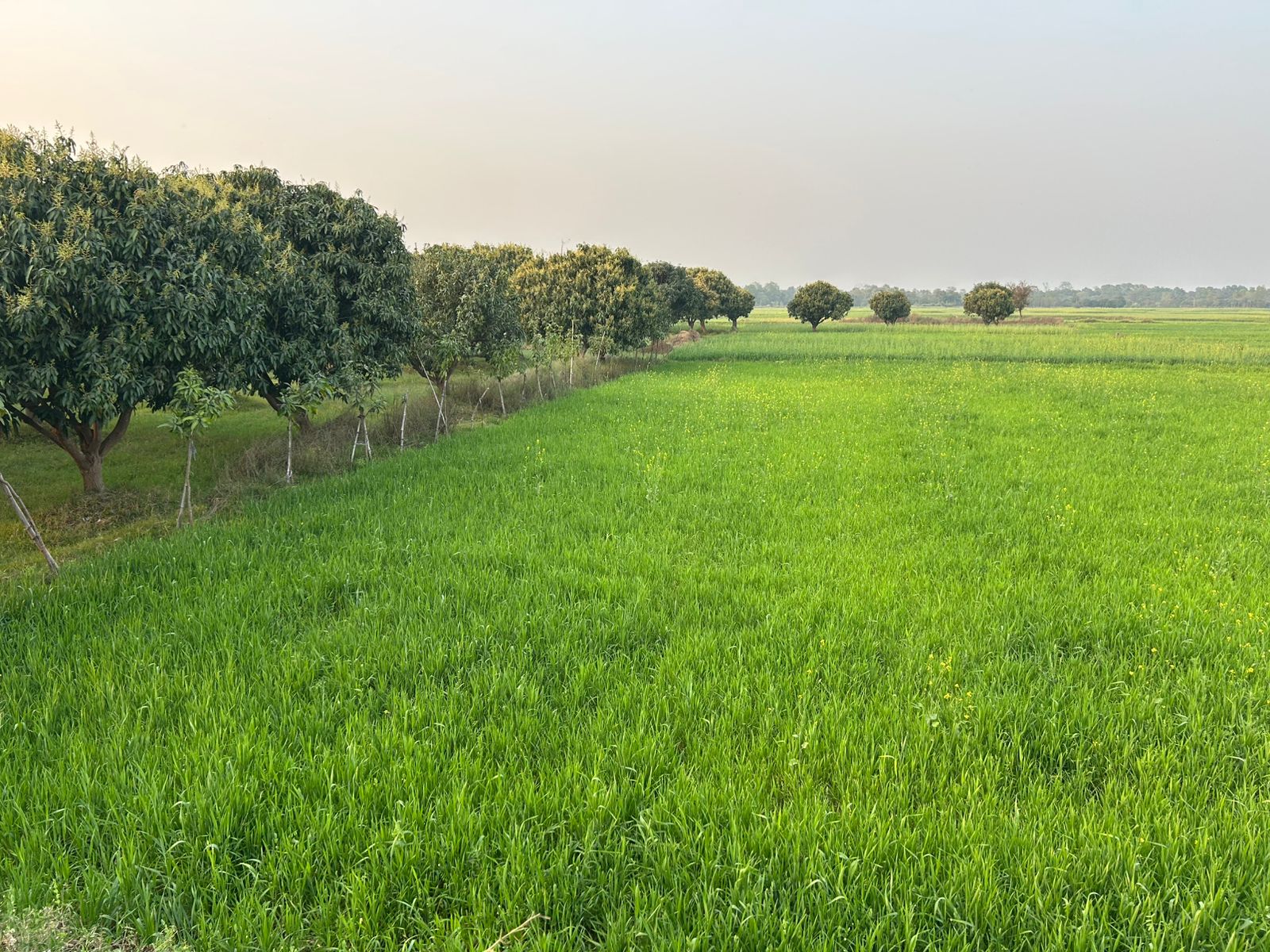
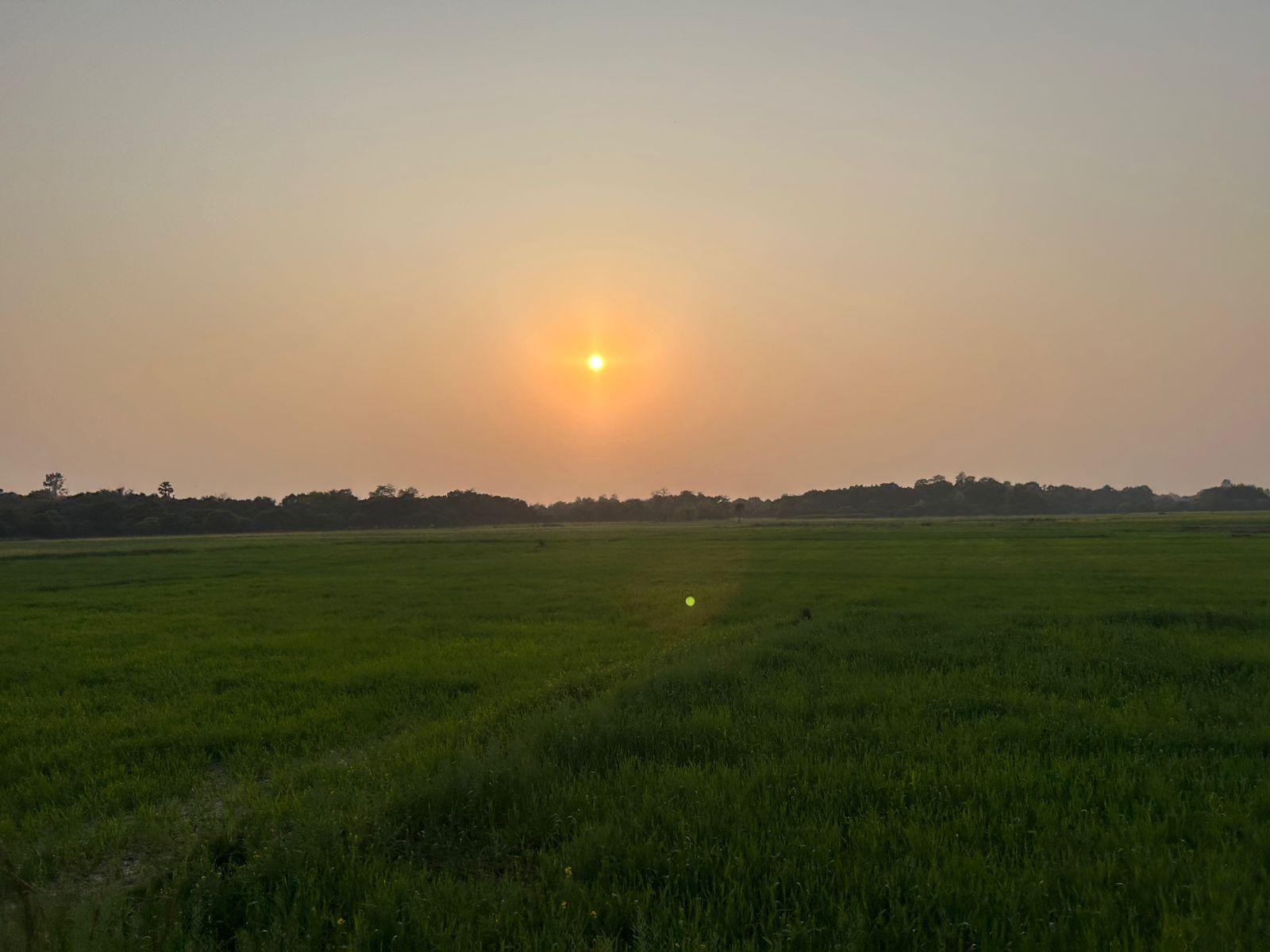
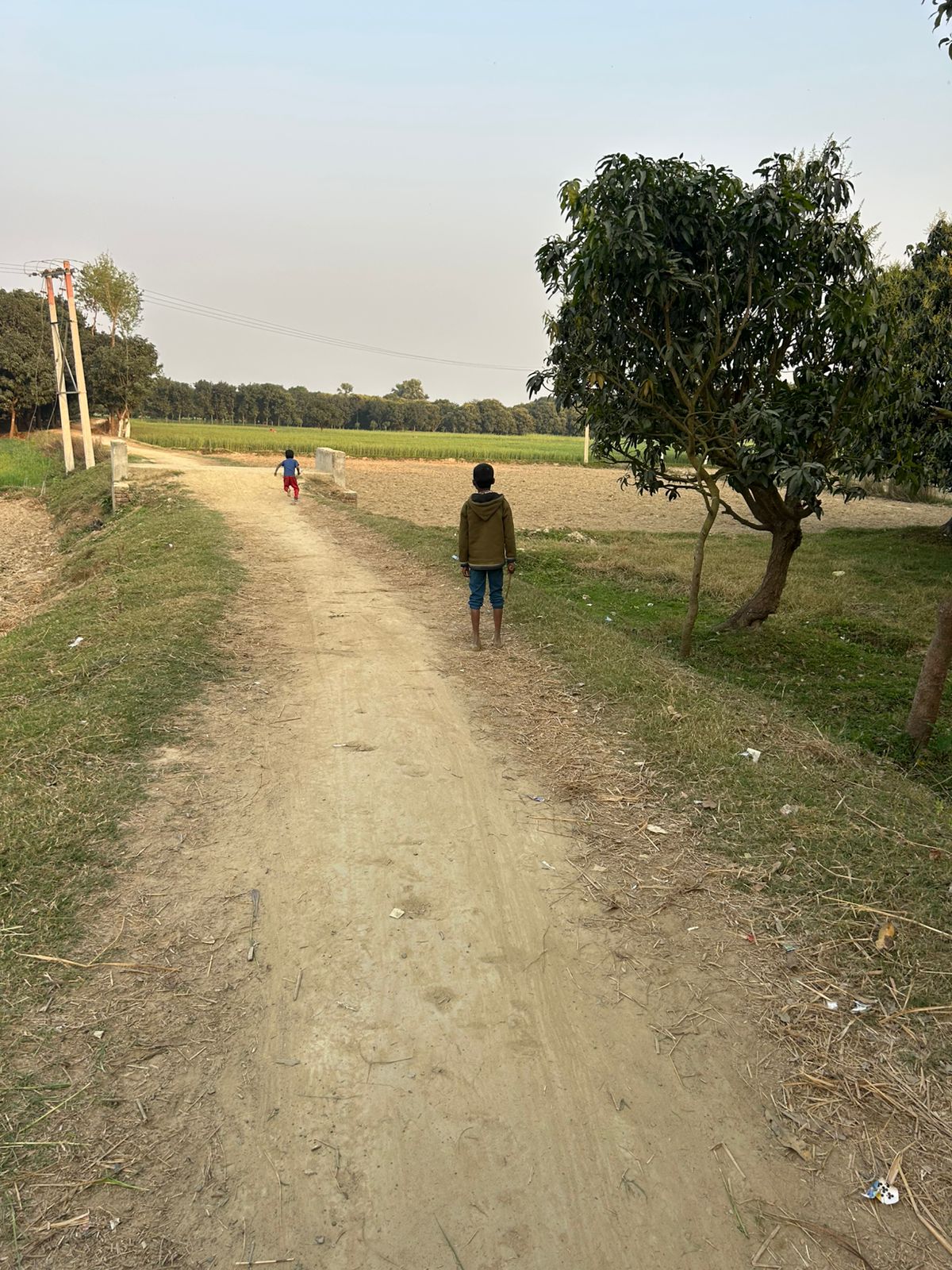
I am currently in my hometown, a remote part of Bihar, and I feel a completely different kind of calmness here.
While the world seems to be on fire with the rapid advancement of artificial intelligence: billions of dollars in market value being erased overnight, life here moves at a different rhythm. Companies like OpenAI and Anthropic are redefining work, automating daily tasks, and reshaping industries. In the cities, every headline screams urgency: disruption, layoffs, valuations, crashes, breakthroughs.
But here, it feels like time has chosen not to participate in that race.
The world I inhabit in my day-to-day professional life and the world I am experiencing right now are 360 degrees apart.
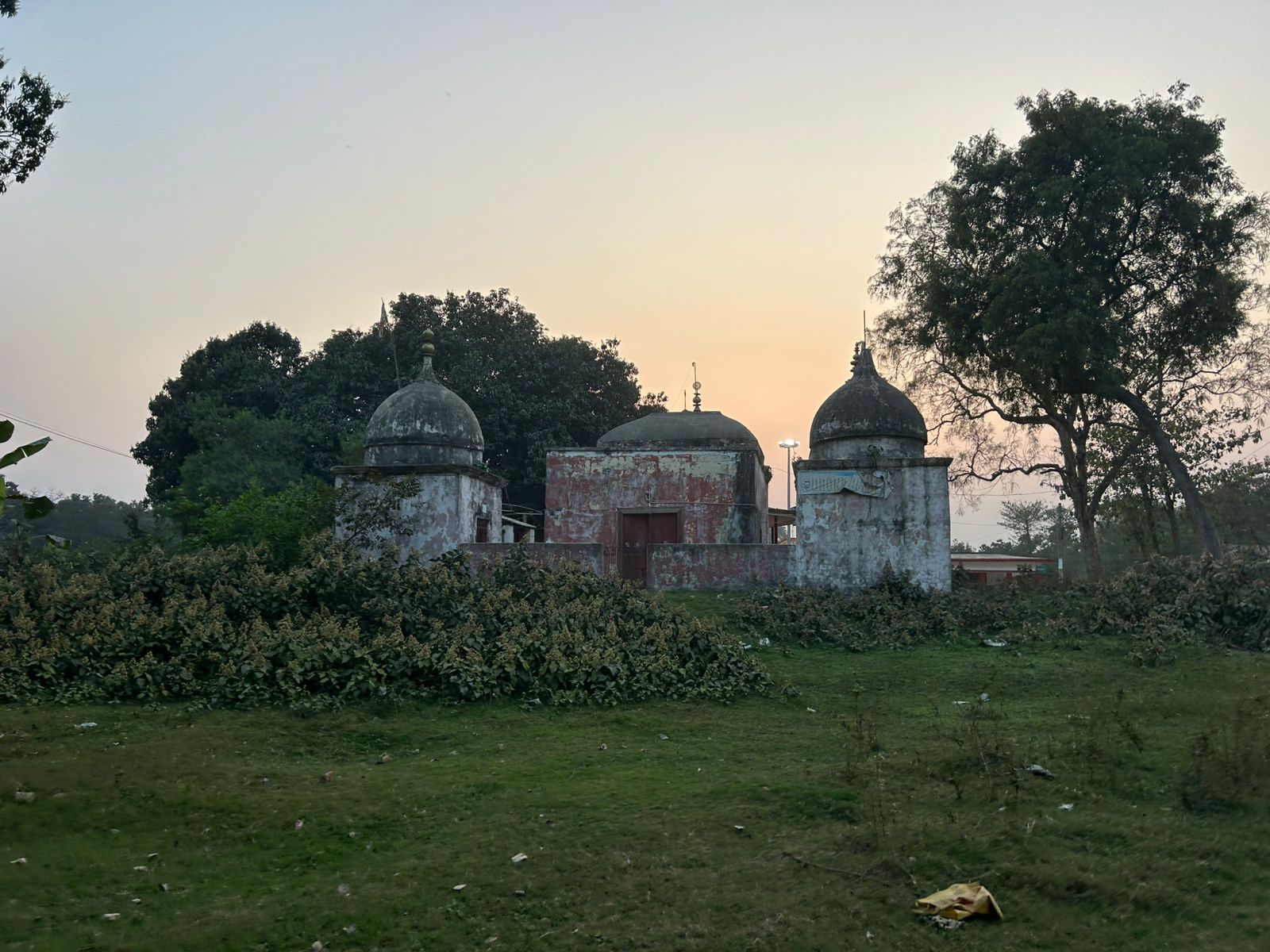
Here, people are still living the way generations before them did. Their concerns are fundamental and deeply human: roti, kapda, makan. Educating their sons. Marrying their daughters. Protecting their land from encroachment. Ensuring the mango orchards and khet survive the season. Visiting the temple every month and performing their puja with quiet discipline. There is hope, resilience and faith.
In the developed cities of our country, we wake up to constant alarms, traffic chaos, infrastructure complaints, crime, political outrage, market volatility. The media amplifies every disruption. Urgency becomes the default emotional state.
But here, life is still anchored in continuity.
It makes me wonder:
Are we advancing faster than we are understanding what advancement truly means?
Are we slowly losing the simplicity that once defined human contentment?
There is something deeply grounding about being in a place where survival, family, faith, and land still define ambition. Perhaps progress does not always mean acceleration. Sometimes, it means remembering what was never broken.