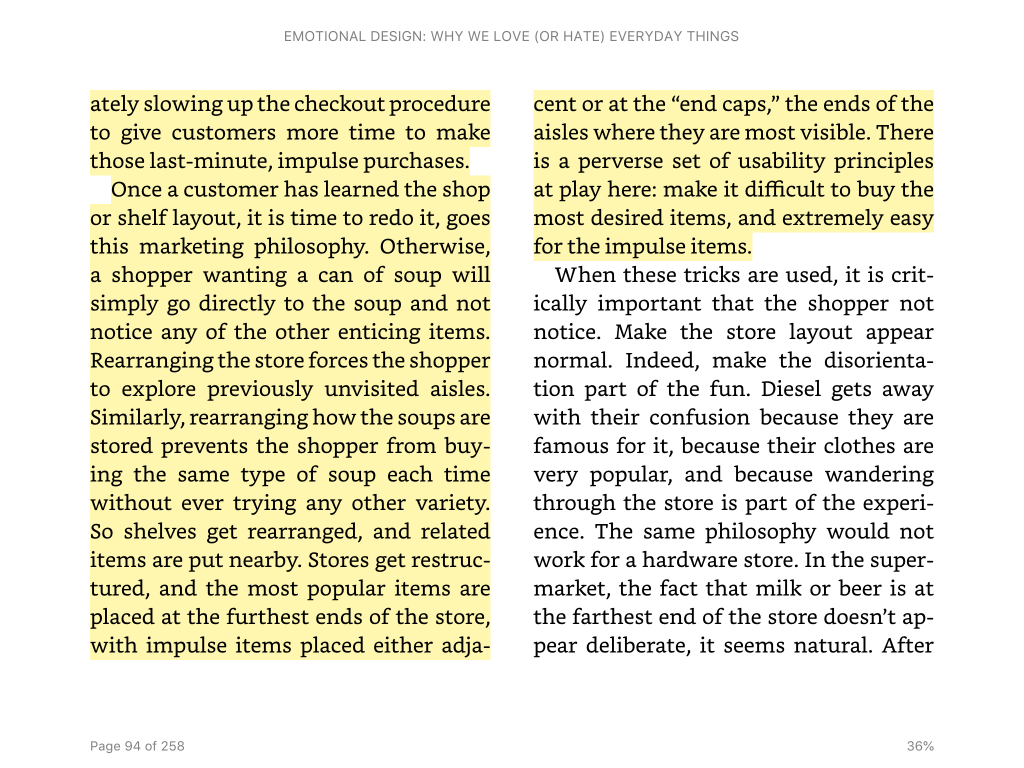
Asimov’s four laws of Robotics

Isaac Asimov was one of the best thinkers of our time. He has written in length about a society where Robots take over in his book- I, Robot.

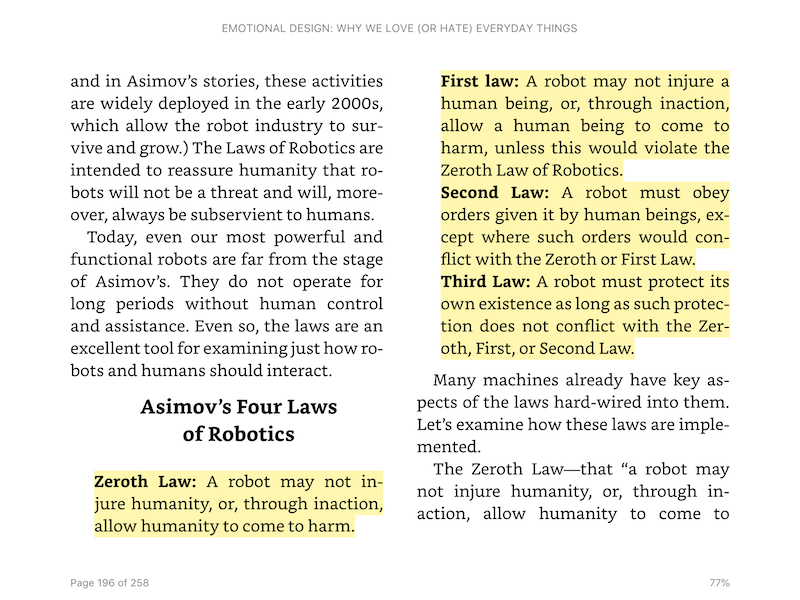
While reading emotional design, whose last half is dedicated to how robots will co-exist and what they are missing. I got to know about Asimov’s four laws of Robotics and most of these still hold true.

Distraction

Distraction is not limited to our overuse of social media. It is not something new to we humans. The vice has been around since eternity. Many sages and philosophers have spoken and written about it.

Distraction has more to do with our thoughts and our association with the world. We can get distracted over the decade-old brawl with our friends and weeks thinking about what we could have done to avoid it. The guilt, remorse of the past is a distraction here. It is affecting our present.

Distraction is also spending dubious hours on apps which guarantees to find a perfect soulmate, world view, news or constant barge of pings from parents, friends or neighbors on non-trivial issues.

Socrates talked about self-knowledge, knowing yourself. How many of us are practicing it?

Seneca talked about our shortness of life, the allocated time of our life is so short.

“People are frugal in guarding their personal property; but as soon as it comes to squandering time they are most wasteful of the one thing in which it is right to be stingy.” ― Seneca

“The unexamined life is not worth living” — Socrates

The only way we can avoid distraction is by being self-aware, utilizing this precious life moment by moment and keeping count of our actions.
Leisure

Why is Leisure so far fetched? Are we machines running on checklists? Or is it our desire to do the next big thing which keeps us running like a workaholic donkey?

I know many men who have made enough wealth to live a peaceful life, but, they are not satisfied. They are running like a headless chicken, competing with the younger generation for wealth, recognition and respect.

What about leisure, living with peace and harmony with self? Why is it that regret and fear loom only when we come closer to our death bed?

We have this one life, why can’t we live like a human and enjoying every flavor of it? How much money, wealth, respect means to us after our death?

blink

Our life is surrounded by TV, Smartphone, Laptop, Tablets, etc.
The constant consumption is affecting us. It is resulting in the formation of many billion oculist industries.

We are getting into a chronic disease and modern-day diseases are all over us. Can we save our eyes, use screens wisely and blink more?

Self

How many hours in the day do we spend quiet time without being distracted by the external world: Phone, SMS or meetings?

How scary can it be, living in our own thoughts without being distracted with the externalities?

Once left alone, the mind will run in multiple directions and thoughts from every corner will come and hit. Some being pleasant while others are very painful.

Modern world’s biggest peril is being peace with self.

Van Gogh

I have always liked Van Gogh, the way he captured nature and human expressions. I hope someday I will get to visit the Van Gogh museum in Amsterdam. While reading: Van Gogh letters to Theo (his brother), I got to know more about him.

  • He died (killed himself by cutting his ear), remaining poor.
  • He was dependent on Theo, his brother from emotional and financial support.
  • In early days he wanted to be a preacher but since he failed the exams so never got the job.
  • He failed in love many times.
  • He was eccentric.
  • His art teachers/mentors(yup, the finest artist had teachers), disliked his way of paintings.
  • He called himself a peasant painter and lived a good part of his life with the peasants, miners.

I could not bear the pain in reading those letters. I have left reading it half way through.

The positive side of reading this book is, my respect for artists has increased much more. I will prefer not bargaining for buying their artwork.

Age

Once we cross 60 years of our age, the reversals happen. We start acting like a grumpy kid who starts crying for not getting his wish fulfilled: parents not buying that toy or candy.

What happens after we get old? Do we fall for expectation traps? Do we let kids fall for the guilt trip?

Or is the generation gap?

Cult

Some tactics for creating and maintaining a cult.

  1. Create your own social reality: in simple terms create an echo chamber, limit external sources for news and information. Most modern-day ashrams across India follow these.
  2. Create a granfalloon: make members believe they are part of something bigger, use god or some cause as bait.
  3. Create commitment through rationalization trap
  4. Establish leaders credibility and attractiveness
  5. Send fund members out to proselytize the unredeemed and to fundraiser for the cult
  6. Distract members from thinking “undesirable “ thoughts.

Excerpt from “Age of propaganda.”